Can Shortsightedness Be Cured?
Curing Myopia: What You Need to Know
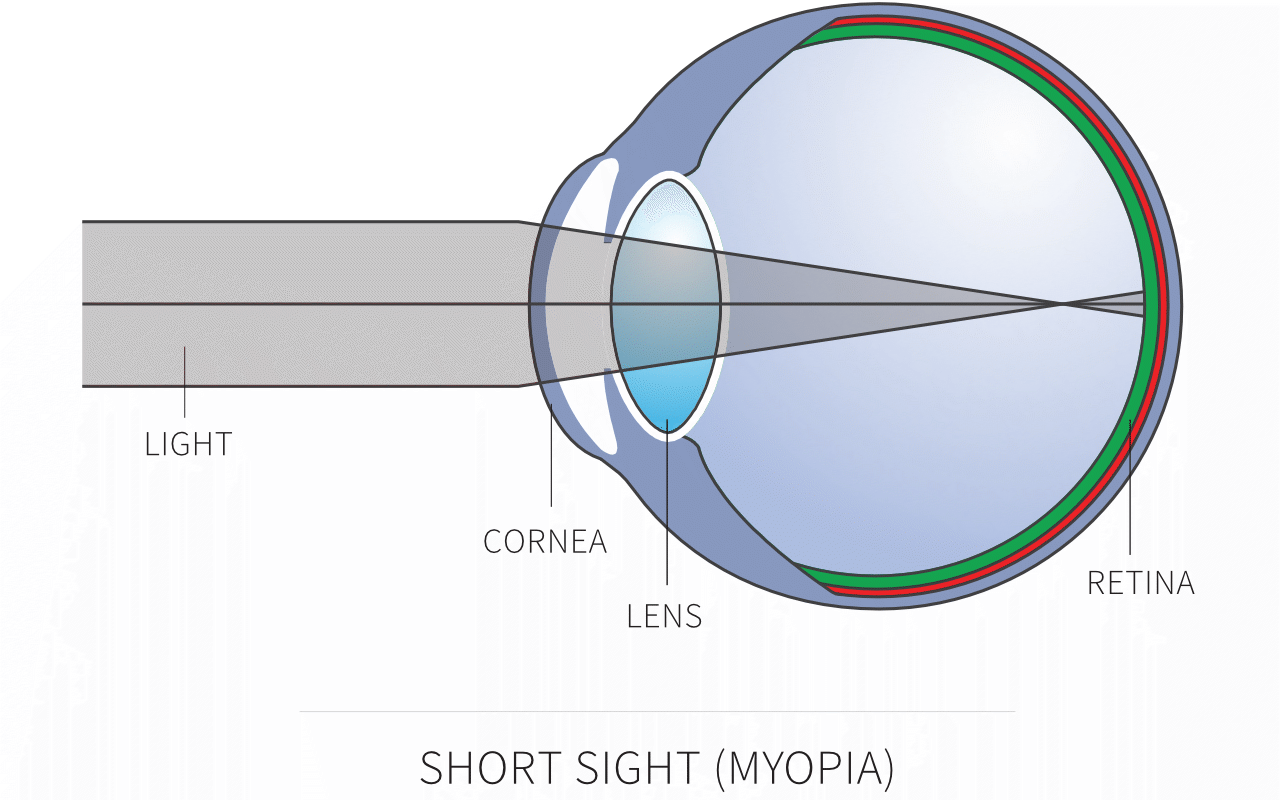
Shortsightedness, also known as myopia, is a common vision condition where distant objects appear blurry. It often starts in childhood and tends to worsen with age. While glasses and contact lenses correct vision temporarily, many people seek permanent or natural solutions.
What Actually Causes Shortsightedness?
Myopia occurs when the eye grows too long or the cornea is too curved, causing light to focus in front of the retina instead of directly on it. Common causes include:
- Genetics
- Excessive screen time and near work
- Lack of outdoor activity
Can Shortsightedness Be Cured?
There is no universal "cure" for myopia yet, but several treatments can slow down, reduce, or even reverse its effects in some cases.
1. LASIK and Other Surgical Procedures
LASIK is a well-known surgical option where a laser reshapes the cornea to correct the focus. Other options include PRK, SMILE, and lens implants. These are effective but come with risks and are not suitable for everyone.
2. Orthokeratology (Ortho-K)
This involves wearing special hard contact lenses overnight that temporarily reshape the cornea. It provides clear vision during the day without glasses or contacts, but must be used regularly.
3. Atropine Eye Drops
Low-dose atropine drops have been shown to significantly slow the progression of myopia in children. However, they do not reverse existing myopia.
4. Myopia Control Glasses and Contact Lenses
Specially designed lenses like MiSight, Stellest, and SightGlass slow down the elongation of the eyeball. These are more common in pediatric care.
Upcoming and Future Treatments
- Gene therapy: Still under research, aims to alter the genetic pathways causing myopia.
- Nanodrops: Eye drops containing nano-particles that may repair corneal shape—still in trial stages.
- Light therapy: Special wavelengths of light to stimulate proper eye growth—early research is promising.
Can Myopia Be Reversed Naturally?
There is no scientifically proven method to fully reverse myopia naturally. However, some methods can reduce eye strain and slow progression:
- 20-20-20 rule: Every 20 minutes, look at something 20 feet away for 20 seconds.
- Outdoor time: At least 2 hours per day outdoors has been linked to reduced myopia risk.
- Proper lighting and screen breaks
Myths & Ineffective "Cures"
Beware of online claims and miracle treatments. These methods have no scientific backing:
- Eye exercises like "pencil pushups" or "Bates Method"
- Essential oils or herbal drops
- Magnetic glasses or acupuncture
These may reduce strain or make your eyes feel relaxed, but they will not change the structure of the eye to fix myopia.
Tips to Prevent Myopia from Worsening
- Encourage kids to play outside daily
- Limit screen time and near-work activity
- Ensure good posture and lighting while reading or using devices
Final Thoughts
While myopia cannot be completely reversed in most cases, modern science offers many effective ways to manage and slow its progression. Surgical solutions are available, but non-surgical methods like Ortho-K and atropine drops are proving useful—especially in children. Beware of online myths and always consult an eye specialist before starting any treatment.
Vision is a precious gift—treat it with the care it deserves.


Comments
Post a Comment